
17 June 2026 · 5 min read
Importing a Classic Car From South Africa to the USA: The Complete Guide
The cars survived down south, and a 25-year-old US rule opens the door. Here is how importing a classic car from South Africa really works, from the paperwork to the shipping container, and where first-time importers trip.
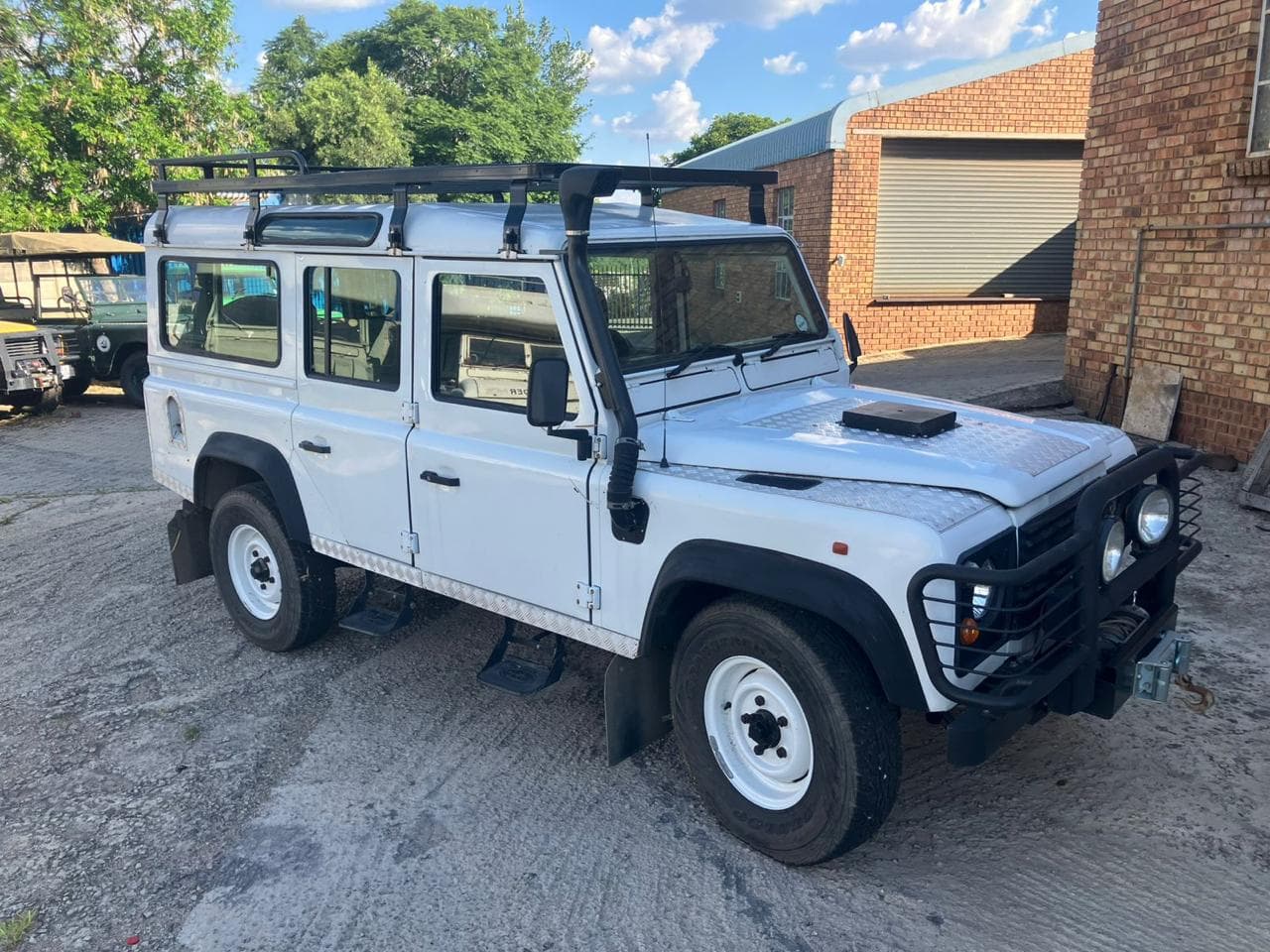
The Cars Survived Down South, and That Is the Whole Story
Somewhere in the Western Cape, right now, there is a 1980s Mercedes saloon parked under a carport with a chassis cleaner than most ten-year-old cars in the American rust belt. That sentence is the entire reason importing a classic car from South Africa has quietly become one of the smartest moves a collector can make.
It is not magic. It is climate, history, and a 25-year-old rule in the United States that swings the door wide open. Here is how the whole thing actually works, and where first-time importers tend to trip.
Why South Africa, and Why Now
South Africa spent decades as its own little car kingdom. Local assembly plants built Mercedes, BMW, Ford, Toyota, and a long list of European models, often in versions you never saw anywhere else. Buyers kept their cars for years, the dry interior climate was kind to metal, and road salt simply was not part of life the way it is in the north.
The result, decades later, is a country full of solid, honest classics. A car that would be a lace doily of rust in the American Midwest can still wear its original floors and panels here. For an American enthusiast, that is the dream, and it is the foundation of every good import.
The 25-Year Rule Is Your Best Friend
Now the legal part, and it is friendlier than you think. In the United States, a vehicle that is at least 25 years old is exempt from the federal motor vehicle safety standards and the usual emissions rules that make importing a modern foreign car such a nightmare. This is the famous 25-year rule, and it is the single reason the classic import scene exists at all.
Cross that 25-year line and a car that was once forbidden fruit becomes perfectly legal to bring home, with far less red tape. It is why you see so many imports cluster right around that age. The day a desirable car turns 25 is, in a real sense, its green card.
The Paperwork That Actually Matters
A clean import lives or dies on documentation, so this is where to be fussy. At a minimum you want clear proof of ownership or the foreign title, a bill of sale, and a complete set of shipping documents. On the United States side you will meet the EPA form 3520-1 and the DOT form HS-7, which are where you claim the age exemption.
This is the stage that swallows first-time importers. The forms are not hard, but they are unforgiving, and one wrong box can park your car at the dock racking up storage fees. Customs clearance, duty, and the broker handoff all need to line up. None of it is dramatic when it is done right, and all of it is miserable when it is done wrong, which is the honest argument for using someone who has done it a hundred times.
Getting the Car Across the Water
You have two ways to ship, and they are not equal. Roll-on roll-off is cheaper, but your car rides exposed on a deck with hundreds of others, keys in the ignition, at the mercy of whoever walks past. For a daily runabout, fine. For an irreplaceable classic, no.
Container shipping is the answer for anything you care about. The car is strapped down inside a sealed steel box, often sharing with just one other vehicle, untouched from port to port. From a South African harbour to a United States coast, plan on a few weeks at sea plus a week or two for customs to do its thing. And insure it properly, for full value, the entire way. Marine insurance on an irreplaceable car is not the place to save a few dollars.
What It Costs, Roughly
People always want a number, so here is the honest shape of it. You pay for the car, then shipping, then import duty, then the broker and the various small fees that appear along the way. Add it up and a South African classic still often lands cheaper than a comparable rust-free example bought at home, because you started with a better car at a saner price.
The mistake is to shop on the sticker alone. A cheap car that needs floors is not cheap. A slightly dearer car with a solid chassis and a known history is the real bargain, every time.
A Realistic Timeline
People underestimate how long the whole process takes, then panic halfway through, so set your expectations early. From the day you agree on a car to the day it lands in your driveway, a typical South African import runs somewhere around two to three months. Sourcing and inspection can be quick if the right car is already found, or it can take weeks if you are holding out for the perfect example.
Then comes preparation and loading, a few weeks at sea, and finally customs and the drive home from the port. Things slip. Ships get delayed, paperwork gets queried, ports get busy. None of it is unusual, and none of it is worth losing sleep over if you have built a little patience into the plan from the start.
Let Someone Else Carry the Boring Part
Importing a classic car from South Africa is one of the great open secrets of the hobby. The cars are better preserved, the 25-year rule clears the legal path, and the only real hurdle is the logistics. Get the documentation right, ship in a container, insure it fully, and you end up with something special for sensible money.
That logistics hurdle is exactly the part we take off your hands at Pinnacle Classics. We source the car, inspect it in person before it leaves South Africa, and manage the journey to your door, paperwork and all. You get the fun part, which is the day it arrives.