
17 June 2026 · 4 min read
Mercedes-Benz W126 Buyer's Guide: Owning the Greatest S-Class
There is a reason people call the Mercedes-Benz W126 the greatest S-Class ever made. Our buyer's guide covers engines, what to inspect, and why a good one is still one of the smartest ways into the classic world.
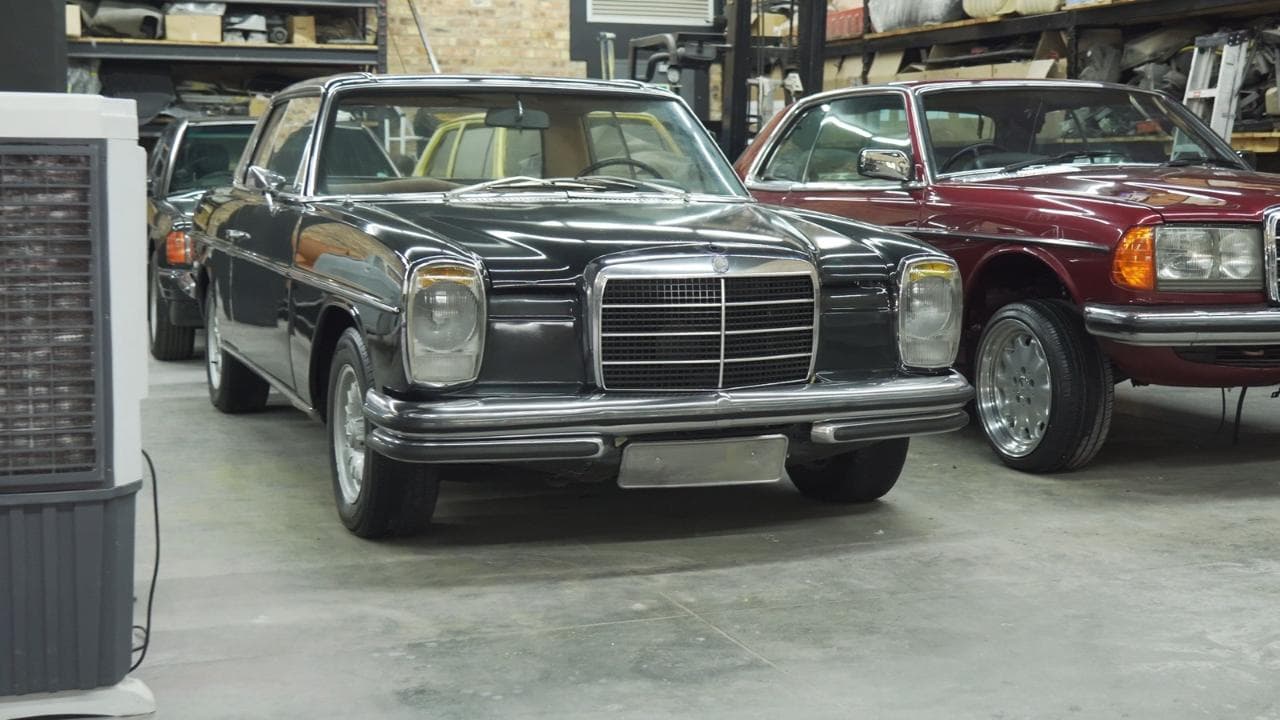
They Really Do Not Build Them Like the W126 Anymore
There is a particular sound a Mercedes-Benz W126 door makes when it closes. A deep, damped, vault-like thunk that tells you, before you have even started the engine, that this car was built by people who were not counting pennies. That sound is the W126 in miniature, and it is why so many enthusiasts will argue, often loudly, that this is the greatest S-Class ever made.
If you are reading a Mercedes-Benz W126 buyer's guide, you are probably already half in love. Good. Let me help you fall the rest of the way responsibly, with your eyes open and your wallet protected.
A Quick Word on Why the W126 Matters
Built from 1979 to 1991, the W126 was the second generation of the S-Class, and it arrived at the exact moment Mercedes engineering was at its confident, over-built peak. It was aerodynamic when rivals were still bricks, quietly safe in ways the brochure barely mentioned, and finished to a standard that simply is not commercially viable today.
This is a car that was designed to cover hundreds of thousands of miles and shrug. Many have. That reputation is earned, and it is the reason a good one still feels special on a modern road rather than merely old.
Choosing the Right Engine
The W126 came with a wide spread of engines, and the right one depends entirely on how you intend to drive. At the modest end sat the 260 and 280 sixes. At the top loomed the mighty 560. In between lived the 380, 420, and 500 V8s, and for many buyers that is the sweet spot.
Those V8 cars deliver the effortless, wafting cruise the S-Class built its name on. The diesels, where you find them, are famously durable workhorses with a cult following of their own. There is no wrong answer here, only a right one for you. My only firm advice is this. Chase condition and history before you chase a particular badge. A well-kept 380 with a folder full of receipts will make you far happier than a neglected 500 bought on price.
What to Inspect Before You Fall for One
Rust is rare on a cared-for W126, but rare is not never, so look anyway. The usual suspects are the wheel arches, the jacking points, the bottoms of the doors, and the sunroof drains, which clog and then quietly let water pool where you cannot see it. A solid car in these areas is a very good sign about the life it has led.
Inside is where a W126 can get expensive in a hurry, so spend time there. Work every switch. The seats, windows, mirrors, climate control, and the rest should all do as they are told, because trim and electrical parts can be costly and fiddly to source. A healthy interior that all functions is worth paying a premium for. Pull the carpets where you can and feel for damp. And of course, savour that door thunk. A car that still feels tight and solid has usually been loved.
Living With One Is the Best Part
Here is the happy truth that separates the W126 from a lot of classics. You can actually use it. Parts availability is genuinely good thanks to how many were built and how devoted the community is. The cars are comfortable and capable on modern roads, quiet at highway speed, and unflustered by a long trip.
Values for clean, honest examples have been climbing steadily, which means a good one is both a pleasure and a sound place to park some money. But the real reward is not financial. It is the way a W126 makes an ordinary drive feel composed and dignified, as if the whole world slowed down half a step to let you through.
Short Wheelbase or Long
One choice worth understanding early is wheelbase. The W126 was sold in a standard length and a long-wheelbase version, the latter wearing an L in its model designation. The long cars hand all their extra length to rear-seat passengers, which makes them magnificent to be driven in and a fraction less wieldy to park.
If you will mostly drive yourself, the standard wheelbase feels that bit more nimble and is the classic enthusiast's pick. If you dream of being chauffeured, or you simply love the stretched proportions, the long wheelbase is a wonderful thing. Neither is wrong. It is purely about how you picture using the car.
Running Costs and Parts
The happy news is that a W126 is one of the more affordable classics to actually run. Mechanical parts are widely available and sensibly priced, the engines are famously long-lived, and routine servicing holds no surprises for any competent independent specialist.
The watch points are trim and electronics, as mentioned, plus the usual classic car truth that deferred maintenance always costs more than staying ahead of it. Budget for a proper inspection, sort any backlog early, and the car will reward you with years of cheap, dependable miles. Few classics this grand are this easy to live with.
A Sensible Way Into the Classic World
If someone asked me where to start in classic Mercedes ownership, the W126 would be near the top of the list every time. It is usable, it is supported, it is beautifully made, and it asks far less of you than its grandeur suggests. For the experience it delivers, it remains quietly underpriced.
Every W126 we offer at Pinnacle Classics is inspected and verified, with an honest account of its condition rather than a sales pitch. Find the right one, look after it, and you will understand the loyalty this car inspires. It really is one of the most satisfying ways to own a piece of motoring history, door thunk and all.