
17 June 2026 · 4 min read
What Classic Car Refinement Really Means
Refinement is the most misused word in the classic car world. It is not restoration and it is not modification. Here is what it really means to make a classic the best version of itself.
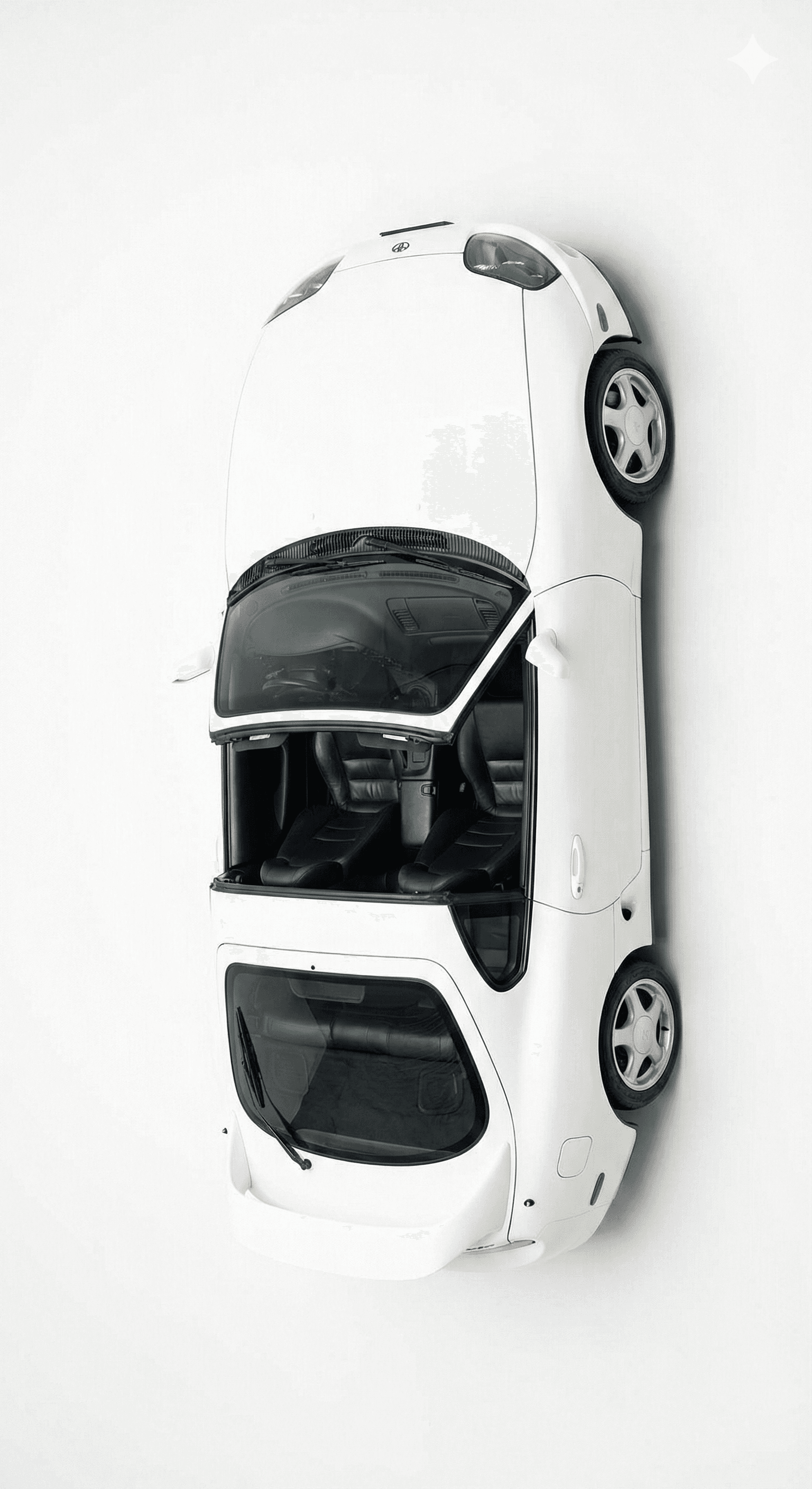
Refinement Is the Most Misused Word in the Classic Car World
Say the word refinement to ten classic car people and you will get ten different definitions. Some hear restoration. Some hear modification. Some hear a polite excuse to bolt modern wheels onto something that did not ask for them. Almost everyone gets it slightly wrong, which is a shame, because classic car refinement is one of the most interesting and honest things you can do to an old vehicle.
So let me plant a flag. Refinement is not restoration, and it is definitely not modification for its own sake. Refinement is the craft of making a classic the best version of itself, without ever letting it forget what it is.
A Refined Classic Still Feels Like a Classic
This is the line that matters. When you refine a car properly, it should drive away feeling like a slightly better day in the same old friend, not like a different vehicle wearing the old one's badges.
That means you respect the original engineering instead of papering over it. You use the correct paint colour, not whatever was trendy last year. You fit period-appropriate materials in the cabin. You do mechanical work that honours how the car was meant to move down a road. Done right, refinement is nearly invisible. People will not point at one specific thing. They will just say the car feels lovely, and they will not quite know why. That is the whole game.
Where Refinement Actually Earns Its Keep
Here is the practical part, because refinement is not a vague mood. It targets the specific things an owner notices on every single drive.
Suspension is usually first. A car with rebuilt bushes, fresh dampers, and correct springs rides the way the factory promised on its best day, and most tired classics are nowhere near that. Interiors come next. Reconditioned leather, correct trim, a headliner that is not sagging onto your scalp. These are the things your hands and eyes meet constantly, so they change the experience more than any horsepower figure ever could.
Then there are the quiet usability upgrades. A cooling system that copes with traffic on a hot day. Brakes that inspire confidence. Electrics that work every time you turn the key instead of most times. None of these change the car's identity. All of them turn a nervous weekend toy into something you genuinely want to drive. That gap, between a tired survivor and a car you trust, is exactly the gap refinement fills.
Refinement Versus Restoration, Plainly
It helps to put the two side by side. A full restoration takes a car back to factory condition, often down to markings nobody will ever see, frequently for shows and judging. It is wonderful work and it has its place. It is also expensive, and the result is sometimes a car too precious to actually use.
Refinement points the other way, at real life. The goal is a classic you can drive to dinner on a Friday and trust on a long weekend run without a second thought. Most of the people I talk to do not want a trailer queen. They want the car they fell in love with, made dependable enough to actually love. Refinement is how that happens.
The Taste Is the Hard Part
Anyone can throw money at a car. The difficult, valuable skill is knowing what to leave alone. A heavy hand turns a characterful old machine into a confused mess of mismatched ideas. A light, informed hand makes it sing.
That judgement, knowing which improvements honour the car and which ones insult it, is the real work of refinement. It is less about parts catalogues and more about understanding why a particular car mattered in the first place. Get that wrong and you have a modified car. Get it right and you have a classic that simply works better than it has in forty years.
A Few Refinements Worth Every Penny
If you want somewhere sensible to begin, start with the contact points, the parts of the car you actually touch and feel. A steering box rebuild or adjustment removes that vague, woolly feeling that makes an old car tiring on a long drive. Fresh, correctly specified tyres do more for how a classic rides and stops than almost anything else, and they are often neglected because they are not exciting. A clutch and gearbox that shift cleanly turn a chore into a pleasure every time you pull away.
After that, look at the cabin. Reupholstered seats in the correct material, a dashboard without cracks, window mechanisms that glide instead of grind. You live inside the car, so the inside is where refinement is felt most often.
Small Details, Big Difference
The magic of good refinement is usually in the details nobody photographs. New door seals that cut out wind noise. A properly bled and balanced brake system. Bushings and mounts that stop vibration before it ever reaches you. Wiring sorted so that every light and gauge simply works, first time, every time.
Individually, none of these is dramatic. Together, they are the difference between a car you make excuses for and a car you reach for without thinking. That is the quiet ambition behind every honest refinement. Not to impress a show judge, but to make the car a genuine joy on an ordinary Tuesday.
Our Approach, in One Sentence
Every car we refine at Pinnacle Classics is treated as a piece of history first and a project second. We improve what genuinely should be improved, we preserve what should be preserved, and we never lose sight of why the car was special to begin with. That is refinement, and once you have driven a car that has been refined with restraint, the word will never sound vague to you again.