
17 June 2026 · 4 min read
Why South African Classic Cars Are a Collector's Best-Kept Secret
The cleanest classic cars are hiding in plain sight. Here is why rust-free South African classics, the climate that preserved them, and the value math make them the smartest place to source your next car.
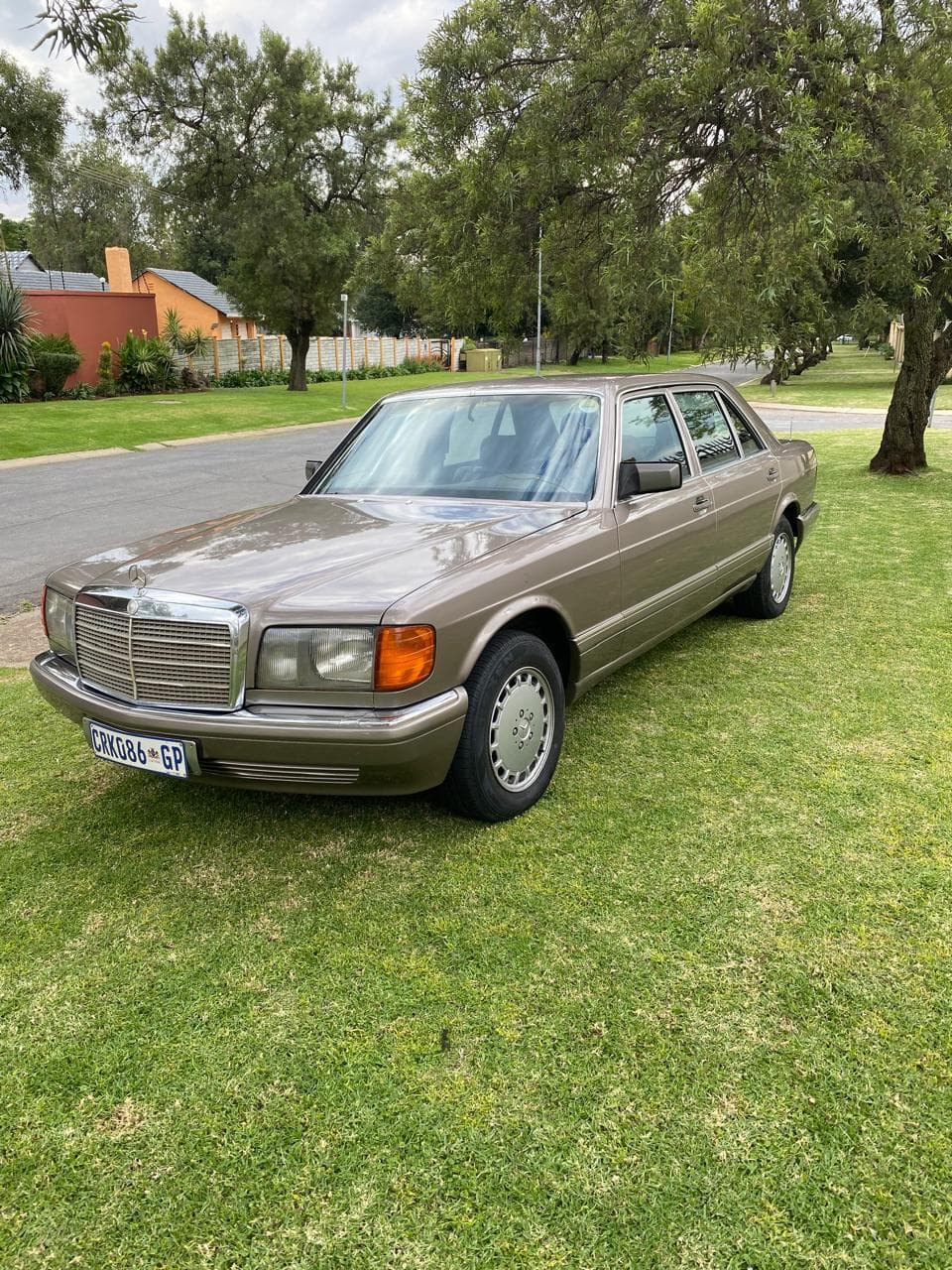
The Best Classic Cars Are Hiding in Plain Sight
Ask a room full of seasoned importers where they find the cleanest classic cars, and watch how many of them quietly say the same two words. South Africa. They will not always volunteer it, because a good secret is worth keeping, but rust-free South African classic cars have become one of the worst-kept secrets among people who actually know.
If you are tired of flying across your own country to look at yet another promising classic that turns out to be held together by underseal and optimism, this is the conversation worth having.
A Climate That Was Built to Preserve Cars
Start with the weather, because the weather is the whole foundation. Large parts of South Africa enjoy a dry, mild climate, and crucially, the roads are not salted into a corrosive soup every winter the way they are across much of North America and northern Europe.
Metal loves that. The cars that lived their lives down south tend to have solid chassis, original panels, and floors you can actually look at without wincing. A 1980s saloon that would be a fragile, bubbling rust bucket in the American snow belt can still be genuinely sound here, with its original metal intact. When the starting point is that good, everything downstream gets easier and cheaper.
The Models Are Better Than You Expect
There is a lazy assumption that a faraway market means strange, undesirable cars. The opposite is true. South Africa was a serious car country with local assembly and a deep appetite for exactly the classics enthusiasts chase today.
Mercedes-Benz W123 and W126 saloons were everywhere and were cherished. Land Rover and Land Cruiser off-roaders did real work and were kept running for decades. A steady stream of European classics arrived, were enjoyed, and were maintained by owners who held onto them far longer than buyers did elsewhere. These were not throwaway cars. They were family cars, kept for years, and it shows in the ones that survive.
The Value Math Quietly Works
Here is the part that surprises people. Because these cars sat outside the overheated collector markets of Europe and the United States, their prices never caught the same fever. A clean classic in South Africa is often priced like a car someone actually intends to use, not like an investment asset.
Now add it up honestly. Even after shipping, duty, and the cost of getting it home, a solid South African classic frequently lands cheaper than a comparable rust-free example bought on your own doorstep. And you started with better metal. That is not a coincidence or a trick. It is simply what happens when a great supply of well-preserved cars meets a market that never inflated.
The One Real Catch, and How to Beat It
I will not pretend it is effortless. The catch is distance. You usually cannot fly out and kick the tyres yourself, which makes trust the entire currency of the deal. Buy a car you have not properly seen, from someone you do not know, and the savings can evaporate in a single nasty surprise.
The answer is straightforward. You buy through someone who puts eyes and hands on the actual car before any money crosses the water. Real inspection, honest photos, a frank account of the flaws as well as the strengths. Done that way, the distance stops being a risk and becomes the very reason the car is so good. Skip that step, and you are gambling.
The Models That Travel Best
Not every classic makes the same sense to import, so it pays to know which ones reward the effort. The robust, simple, widely loved cars travel best, because parts are easy to find at home and the cars themselves shrug off the journey. Mercedes saloons of the W123 and W126 era are perennial favourites for good reason. Tough four-by-fours like the Land Rover and the Land Cruiser are built for exactly this kind of adventure. Solid, characterful European classics with a strong following round out the list.
The thread connecting all of them is durability and support. A car you can get parts for, and that was built to last, is a car worth bringing halfway around the world.
What to Watch Out For
A secret this good attracts the occasional chancer, so keep your wits about you. Not every South African car is a gem, and a dry climate can hide a bad repair just as well as it preserves good metal. Filler, fresh paint over old sins, and patchy documentation all exist here, the same as anywhere.
The defence is simple and it never changes. Insist on a genuine, in-person inspection and honest, plentiful photographs. Ask about history, ownership, and any work done. A reputable importer will happily tell you a car's faults, because the faults are part of an honest deal. If the answers are vague or the photos are shy, walk away.
The Secret Is Out, and That Is Fine
Rust-free South African classic cars are the kind of secret that was always going to get around. The climate preserved them, the model mix is genuinely desirable, and the value holds up even after you have paid to bring one home. The only thing standing between you and one of these cars is the trust that it is exactly what it claims to be.
That is the part we exist to handle. At Pinnacle Classics we inspect every vehicle in person before it leaves South Africa, so you know precisely what you are buying long before it ships. The secret is out. Consider us your bridge to the good side of it.